
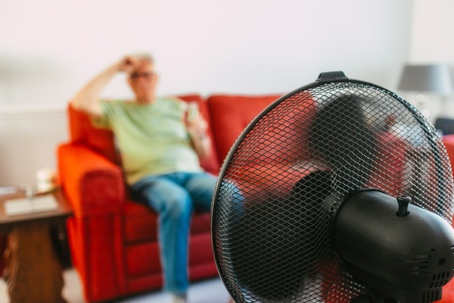
A leak or sewer backup is bad enough on a normal day. When it hits in the middle of a 105 degree North Texas heatwave, it can bring your home to a standstill in minutes. Suddenly you are juggling rising water, worried about damage, and trying to keep your family comfortable while the temperature outside keeps climbing.
Heatwaves change the way plumbing problems behave. Higher water use, hotter attics and garages, and dry, shifting soil around your foundation all put extra stress on pipes and fixtures. Small weaknesses that might have held together in mild weather can turn into full blown Frisco plumbing emergencies when the temperature soars and your system is working overtime.
At Blue Star Plumbing LLC, we see this pattern every summer across Wylie and Northeast Dallas, which face the same kind of long, brutal heatwaves that Frisco does. Our licensed team handles a spike in emergency calls when the heat drags on, and we have learned what usually fails, what homeowners can safely do first, and when same day help is the smartest move. In this guide, we walk through how heat affects your plumbing, what to do in those first critical minutes, and how we respond when you call us for urgent help.
How Frisco Heatwaves Put Extra Stress On Your Plumbing
North Texas heat does not just make your air conditioner work harder. It also puts steady, invisible stress on your plumbing system. One of the main forces at work is thermal expansion. As water and metal pipes heat up, they expand. Over a few hours this is not a big deal. Over weeks of triple digit days, that constant expansion and contraction can push aging joints, fittings, and valves past their limits.
Water heaters feel this pressure even more. In many Frisco area homes, the water heater sits in a hot garage or attic. During a heatwave, the air around the tank is already hot, then the heater cycles on and off through showers, dishwashing, and laundry. The tank and piping expand again and again under high temperature and high demand. If a pressure reducing valve or expansion tank is missing or not working correctly, that extra pressure has nowhere to go except into your pipes and fittings.
The soil around your foundation is another piece of the puzzle. North Texas soil can dry out and shrink during extended heat, then shift and settle. That movement can put strain on the plumbing lines buried under and around your slab. Over time, this stress can help create slab leaks, where pressurized water lines under the concrete develop cracks or pinholes. During a heatwave, we often see small, long standing weaknesses in these lines finally give way.
Heat also changes how you use water. Sprinkler systems run more often to protect landscaping. Families take more showers, fill kiddie pools, and run extra loads of laundry. All that extra water has to move through the same pipes and drains. Marginal clogs in main lines or old, partially blocked vents that were only a nuisance in spring can turn into backups when demand climbs. Because we work in this climate every day, we have a clear view of how these pieces come together and why Frisco style heatwaves tend to bring more plumbing emergencies with them.
Common Plumbing Emergencies We See During Extreme Heat
Some plumbing problems are annoying. Others are true emergencies, especially in extreme heat. During long hot spells, we tend to see the same kinds of calls over and over. Knowing what they look like helps you decide how serious your own situation is and how quickly to act.
Active leaks and burst lines are at the top of the list. These can show up as water spraying under a sink, a washing machine hose splitting, or a supply line to a toilet suddenly letting go. In hot conditions, rubber washers and hoses dry, harden, and weaken faster. Combine that with high pressure from thermal expansion and heavy usage, and a small seep can become a steady stream very quickly.
Slab leaks are another big issue that often surfaces during or after a heatwave. Homeowners typically notice warm spots on tile or concrete floors, damp carpet without an obvious source, or water bills jumping even though usage has not changed much. Because the leak is under the slab, it can run for some time before anything appears at the surface. Dry, shifting soil and constant hot water demand can push already stressed lines over the edge, turning a tiny underground crack into a serious leak.
Water heater problems also tend to spike in extreme heat. You might see water pooling around the base of the heater, rusty or discolored hot water, or a unit that keeps tripping a reset or breaker. Relief valves that rarely opened in cooler months may start discharging if pressure climbs too high. Older tanks in hot garages are especially vulnerable because they work hard in already hot air. Sewer and drain backups round out the list. Heavy sprinkler use, frequent showers, and laundry can overload a main line that already has roots, scale, or partial blockages. In a heatwave, backups are even more unpleasant and can create sanitation concerns quickly.
What To Do In The First 10 Minutes Of A Heatwave Plumbing Emergency
The first few minutes after you discover a serious plumbing problem can make a big difference in how much damage you end up with. When you are already dealing with extreme heat, it helps to have a simple plan in mind so you are not trying to figure everything out on the fly.
If you see an active leak, your first goal is to stop water from feeding it. Look for a small shutoff valve on the lines serving that fixture. Under sinks, these are usually on the wall behind the cabinet doors. For toilets, they sit on the wall or floor just below the tank. Turn the handle clockwise by hand until it stops. If water keeps flowing or the leak is not tied to a single fixture, you may need to shut off the main. In many North Texas homes, the main shutoff is in a ground box near the street or by an exterior wall. Turning this valve will cut water to the whole house and stop most leaks from getting worse.
For sewer backups, the priority is to stop adding water to the system. Do not flush toilets, run sinks, start laundry, or use the dishwasher. If you notice sewage coming up in a tub or shower, keep people and pets away from that area. Avoid using chemical drain cleaners, especially in a heatwave, because they can sit in hot pipes and damage them without clearing the real blockage. Take a few photos or a short video of what you are seeing, which can help when you talk to a plumber about what is happening.
Water heater problems deserve careful attention too. If your electric water heater is tripping a breaker or reset repeatedly, avoid pressing the reset button again and again. This can be a sign of a deeper issue that is not safe to ignore. For gas units, if you smell gas or see obvious leaks, leave the area and contact your gas company or emergency services as appropriate. When it is safe to do so, you can turn the temperature down or set the unit to vacation mode to reduce strain. When you call Blue Star Plumbing LLC, our office team can talk you through these steps while we dispatch a technician so you are not guessing about what is safe to do on your own.
Staying Safe Until The Plumber Arrives
Once you have stopped the worst of the water flow and called for help, the next question is usually, "What do we do now?" In a heatwave, you are balancing comfort, sanitation, and preventing further damage. A few simple steps can help keep your home as safe and livable as possible while you wait.
If you have shut off the main water, conserve whatever water you still have on hand for drinking and basic hygiene. If some fixtures are still usable without feeding a leak, decide which ones are essential. For example, you might choose to use only one bathroom and the kitchen sink, and avoid using outdoor spigots, sprinklers, dishwashers, and washing machines until the problem is fixed. This reduces the chance of hidden leaks getting worse, and it keeps drain loads lower if there is any risk of backup.
Basic cleanup and containment goes a long way. Use towels, mops, or a wet dry vacuum if you have one to pick up standing water. Focus on stopping water from spreading into bedrooms, hallways, or other areas that were not affected at first. Fans can help dry out small wet spots, especially in hot, dry air, but avoid aiming high powered fans directly into walls or ceilings where water may have seeped inside. Do not cut into drywall or pull up flooring on your own, because that can create more problems and complicate professional repairs.
Think about comfort and safety while all this is going on. In extreme heat, working hard to clean up water can be draining, especially in garages or attics. Take breaks, drink water, and avoid staying in hot, poorly ventilated spaces for long stretches. When we arrive on site, our technicians focus not only on fixing the plumbing problem but also on tidying the work area and, when reasonable, helping move a few vulnerable items out of harm’s way. Our goal is to leave the space as orderly as possible so you can focus on getting your home back to normal.
How We Handle Frisco-Style Plumbing Emergencies During Heatwaves
Understanding what happens on our side of the call can take some uncertainty out of a stressful situation. When a heatwave hits, our office at Blue Star Plumbing LLC often starts seeing certain types of calls stack up, like active slab leaks, water heater failures in hot garages, and main line backups. We prioritize emergencies where water or sewage is actively threatening a home and work to offer same day appointments whenever possible.
Your first contact is usually a call to our office. We ask targeted questions about what you are seeing, how long it has been going on, and what steps you have already taken. This helps us decide how urgent the situation is and what equipment and parts your technician should bring. Because our plumbers receive continuous training and our trucks are stocked for common North Texas emergencies, we can often diagnose and repair the problem in a single visit, even when systems are under heavy heat related stress.
When a technician arrives, you can expect a clear explanation of what they are checking. For a suspected slab leak, that might include isolating sections of the plumbing and checking for pressure loss. For a water heater in a hot garage, it may involve inspecting relief valves, connections, and electrical or gas components. Throughout the visit, we keep you updated in plain language and outline options when there is more than one way to address the issue, for example repair versus replacement of an aging water heater.
We use upfront, flat rate pricing, so you know what work will cost before we start, even during a heatwave emergency. There are no surprise add ons at the end of the job. Once repairs are complete, we test systems under normal operating conditions to confirm everything is working correctly. Our workmanship is backed by labor warranties, which gives you added peace of mind that the fix is built to handle the ongoing heat and usage your home sees every summer.
Get Reliable Help For Frisco-Style Plumbing Emergencies In Extreme Heat
North Texas heatwaves put every part of your plumbing system under stress, from the lines under your slab to the water heater in your garage. Understanding how heat and heavy use push weak points to failure gives you a real advantage. You can act quickly to shut off water, avoid common mistakes, and make informed decisions about repairs and preventive work that will hold up through many summers to come.
No guide can replace a trained eye in the middle of an active emergency. When you are facing a leak, backup, or water heater problem in high heat, our team at Blue Star Plumbing LLC is ready with same day service whenever possible, upfront flat rate pricing, and technicians who arrive prepared to solve most problems in a single visit. We treat every home like our own and focus on doing the job right so you can get your household back on track, even on the hottest days of the year.